Introduction: The Shift Toward Smarter Industrial Operations
In today’s competitive industrial landscape, businesses are under constant pressure to improve efficiency, reduce operational costs, and maintain high productivity levels. One of the most effective ways to achieve these goals is by upgrading to smarter industrial equipment.
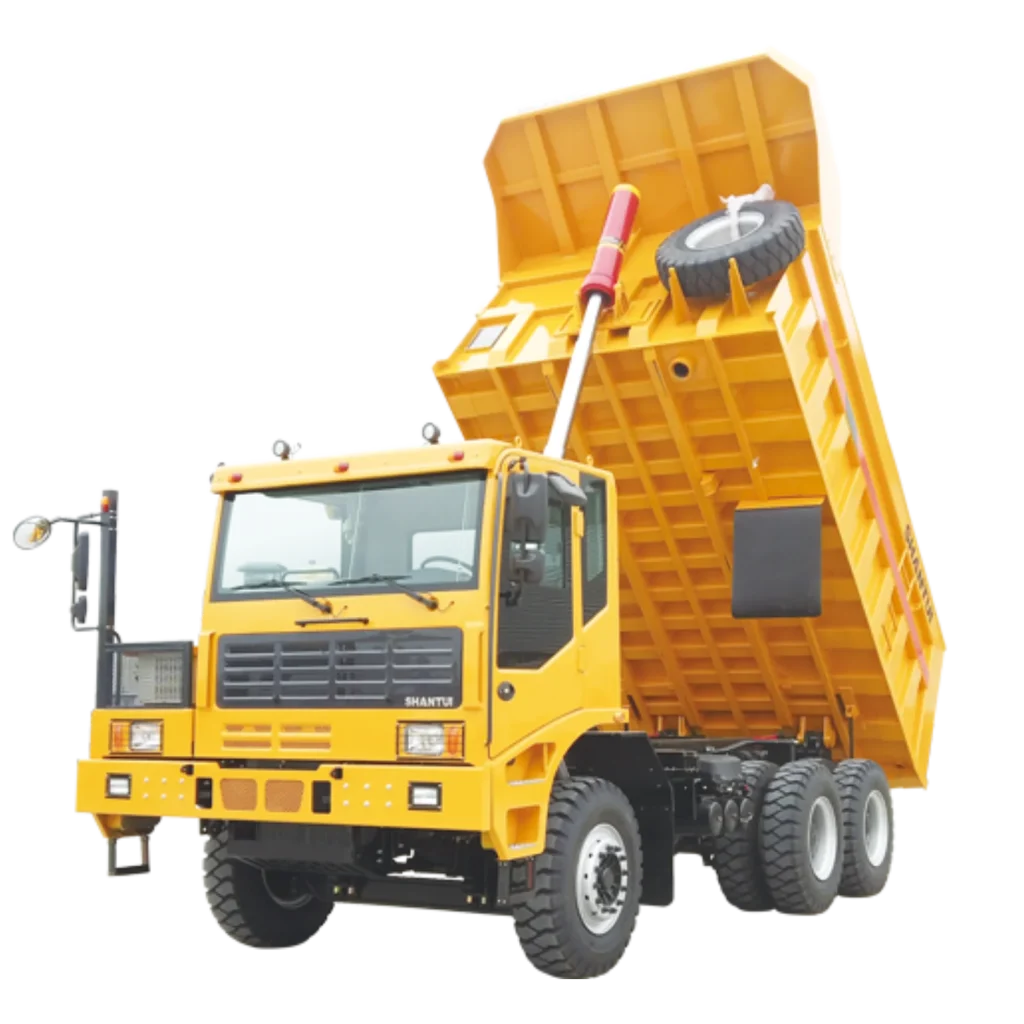
From heavy equipment in construction and mining to material handling equipment in warehouses, the right machinery can transform how businesses operate. Smart equipment choices are no longer optional—they are essential for companies aiming to stay ahead in modern industries.
Why Smarter Equipment Matters in Industrial Operations
1. Driving Productivity and Performance
The use of advanced industrial equipment directly impacts operational performance. Modern machines are designed with enhanced capabilities that allow businesses to complete tasks faster and more accurately.
For example:
- High-performance excavators improve digging efficiency in construction
- Advanced forklifts and pallet trucks speed up warehouse operations
- Automated systems reduce dependency on manual labor
By investing in smarter equipment, companies can significantly boost productivity while maintaining consistent output quality.
2. Reducing Operational Costs
One of the key advantages of upgrading equipment is cost efficiency. Older or outdated machines often consume more fuel, require frequent repairs, and operate less efficiently.
Smarter equipment offers:
- Improved fuel or energy efficiency
- Reduced maintenance requirements
- Longer operational lifespan
- Lower downtime
These benefits contribute to long-term cost savings and better financial performance.
3. Enhancing Workplace Safety
Safety remains a top priority in industrial environments. Modern heavy equipment is equipped with advanced safety features that protect both operators and surrounding workers.
Key safety enhancements include:
- Stability and load control systems
- Ergonomic operator designs
- Automated alerts and monitoring systems
Choosing the right equipment minimizes risks and ensures compliance with safety regulations.
Key Factors in Choosing Smarter Industrial Equipment
1. Understanding Operational Needs
Before selecting any equipment, businesses must clearly define their operational requirements.
Consider:
- Type of industry (construction, mining, warehousing)
- Workload and operational scale
- Environmental and terrain conditions
- Specific task requirements
Aligning equipment specifications with operational needs ensures optimal performance and efficiency.
2. Prioritizing Equipment Quality and Reliability
High-quality equipment delivers consistent performance and reduces the risk of unexpected breakdowns.
Reliable equipment provides:
- Durability in demanding environments
- Higher productivity output
- Reduced repair frequency
Partnering with a trusted industrial equipment supplier ensures access to machinery that meets international standards.
3. Access to Maintenance and Technical Support
Even the most advanced equipment requires proper maintenance. Businesses should consider suppliers that offer comprehensive after-sales services.
Essential support services include:
- Preventive maintenance programs
- Availability of genuine spare parts
- Skilled technical assistance
A strong support system helps minimize downtime and keeps operations running smoothly.
The Role of Material Handling Equipment in Modern Warehousing
1. Improving Warehouse Efficiency
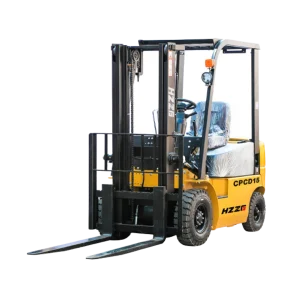
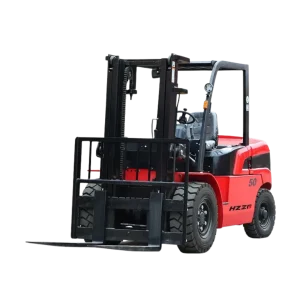
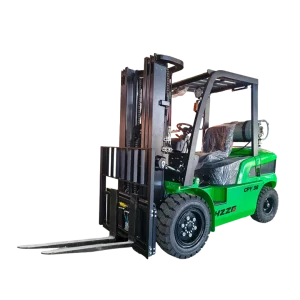
Efficient warehouse operations rely heavily on material handling equipment such as forklifts, stackers, and pallet trucks.
These machines help:
- Accelerate loading and unloading processes
- Optimize storage space utilization
- Reduce manual handling errors
With the right equipment, warehouses can achieve higher efficiency and faster turnaround times.
2. Supporting Logistics and Supply Chain Management
Smart material handling solutions play a crucial role in maintaining a seamless supply chain. Delays in handling goods can disrupt the entire logistics process.
Advanced equipment enables businesses to:
- Improve inventory control
- Enhance order accuracy
- Reduce operational bottlenecks
As a result, companies can deliver better service and maintain customer satisfaction.
Technological Advancements in Industrial Equipment
1. Automation and Smart Systems
Automation is revolutionizing industrial operations. Modern machines are equipped with smart technologies that enable real-time monitoring and control.
Examples include:
- Automated guided vehicles (AGVs)
- Smart forklifts with sensor-based navigation
- Remote monitoring systems
These innovations improve efficiency while reducing human error.
2. Energy-Efficient and Eco-Friendly Equipment
Sustainability is becoming increasingly important in industrial operations. Many companies are transitioning to electric and energy-efficient equipment to reduce environmental impact.
Benefits include:
- Lower emissions
- Reduced energy consumption
- Compliance with environmental regulations
Eco-friendly equipment not only supports sustainability goals but also enhances corporate reputation.
Common Mistakes to Avoid When Upgrading Equipment
1. Ignoring Long-Term Costs
Focusing only on the initial purchase price can lead to higher expenses in the long run. Businesses should consider total cost of ownership, including maintenance and operational costs.
2. Choosing Incompatible Equipment
Selecting equipment that does not match operational needs can result in inefficiencies and delays. Proper evaluation is essential before making any investment.
3. Overlooking Supplier Reliability
Working with an unreliable supplier can lead to issues such as delayed deliveries, poor-quality equipment, and lack of support services.
Benefits of Partnering with a Professional Equipment Provider
A professional heavy equipment and material handling supplier plays a vital role in helping businesses make the right choices.
Key advantages include:
- Expert consultation and recommendations
- Access to a wide range of equipment
- Competitive pricing options
- Comprehensive after-sales support
By partnering with experienced providers, companies can ensure that their equipment investments deliver maximum value.
Conclusion: Transform Your Business with Smarter Equipment Choices
Upgrading to smarter industrial equipment is a strategic move that can significantly improve operational efficiency, reduce costs, and enhance safety. In an increasingly competitive market, businesses that invest in the right machinery gain a clear advantage.
From construction and mining to warehousing and logistics, the right equipment empowers companies to operate more effectively and achieve long-term success.
Making informed equipment choices and working with trusted suppliers ensures that your operations are not only efficient but also future-ready.