Introduction: The Importance of Integrated Equipment Solutions
In today’s dynamic industrial and commercial landscape, businesses require more than just access to machinery—they need comprehensive solutions that cover every stage of equipment usage. This is where end-to-end heavy equipment services play a critical role.
From procurement and delivery to maintenance and spare parts support, integrated services ensure that operations run efficiently and without interruption. Companies operating in construction, mining, logistics, and warehousing increasingly rely on full-service equipment providers to meet their operational demands.
What Are End-to-End Heavy Equipment Services?
A Comprehensive Approach to Equipment Management
End-to-end services refer to a complete range of solutions designed to support businesses throughout the lifecycle of their equipment. These services go beyond simple equipment sales, offering a holistic approach that includes:
- Equipment supply and distribution
- Installation and commissioning
- Preventive maintenance and repairs
- Spare parts management
- Technical support and consultation
By integrating all these services, companies can focus on their core operations while leaving equipment management to experienced professionals.
Key Components of End-to-End Equipment Services
1. Equipment Supply and Distribution
The foundation of any industrial operation lies in access to reliable machinery. A trusted provider ensures the availability of high-quality heavy equipment and material handling equipment tailored to specific project needs.
This includes:
- Construction equipment such as excavators and bulldozers
- Mining equipment for large-scale operations
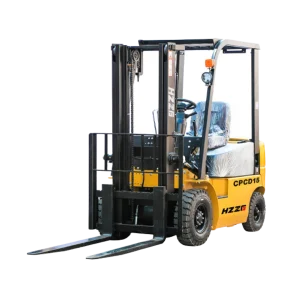
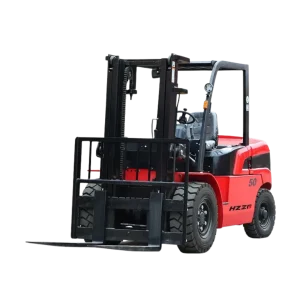
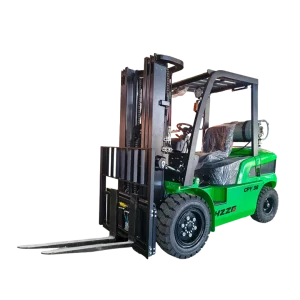
- Warehouse equipment like forklifts and pallet trucks
Efficient distribution networks ensure timely delivery, reducing delays and keeping projects on schedule.
2. Installation and Commissioning
Proper installation is essential to ensure that equipment operates at optimal performance levels. Professional commissioning services guarantee that machines are set up correctly and safely.
Benefits include:
- Reduced risk of operational errors
- Improved equipment efficiency
- Compliance with safety standards
This stage is crucial for maximizing the lifespan and performance of industrial machinery.
3. Preventive Maintenance and Repairs
Regular maintenance is key to ensuring long-term equipment reliability. End-to-end service providers offer scheduled maintenance programs to prevent unexpected breakdowns.
Maintenance services typically include:
- Routine inspections
- Performance testing
- Component replacements
- Emergency repair services
Preventive maintenance helps reduce downtime and extends the operational life of equipment.
4. Spare Parts Availability
Access to genuine spare parts is essential for maintaining equipment performance. Reliable providers ensure that parts are readily available when needed.
Advantages of proper spare parts management:
- Faster repair times
- Reduced equipment downtime
- Improved machine reliability
This is especially important for industries where delays can lead to significant financial losses.
5. Technical Support and Consultation
Expert guidance is a valuable component of end-to-end services. Professional consultants help businesses choose the right equipment and optimize its usage.
Support services include:
- Equipment selection advice
- Operational training for staff
- Performance optimization strategies
With expert support, companies can make informed decisions that improve overall efficiency.
Benefits of End-to-End Heavy Equipment Services
1. Improved Operational Efficiency
Integrated services ensure that all aspects of equipment management are handled seamlessly. This leads to smoother operations and higher productivity.
2. Cost Optimization
By combining multiple services under one provider, businesses can reduce costs associated with equipment ownership, maintenance, and downtime.
3. Enhanced Reliability
With professional maintenance and support, equipment performs more consistently, reducing the risk of unexpected failures.
4. Focus on Core Business Activities
Outsourcing equipment management allows companies to focus on their primary operations, improving overall business performance.
Applications Across Industrial and Commercial Sectors
1. Construction Industry
In construction, heavy equipment plays a vital role in completing projects efficiently. End-to-end services ensure that machinery is always available and in optimal condition.
Common equipment includes:
- Excavators
- Bulldozers
- Loaders
Reliable services help contractors meet deadlines and maintain project quality.
2. Mining Operations
Mining projects require durable and high-performance equipment. Integrated services support continuous operations in challenging environments.
Key benefits:
- Reduced downtime in remote locations
- Access to specialized equipment
- Ongoing technical support
3. Warehousing and Logistics
In warehousing, material handling equipment is essential for efficient operations. End-to-end services ensure smooth handling of goods throughout the supply chain.
Equipment includes:
- Forklifts
- Electric pallet trucks
- Stackers
These solutions improve workflow efficiency and reduce manual labor.
4. Commercial and Industrial Facilities
Factories and industrial plants rely on various types of equipment for daily operations. Comprehensive services ensure that all machinery functions efficiently and safely.
Choosing the Right Equipment Service Provider
1. Experience and Reputation
A provider with industry experience is more likely to deliver reliable and high-quality services.
2. Range of Services
Businesses should choose providers that offer a complete range of services, from supply to maintenance.
3. Customer Support
Responsive customer support is essential for addressing issues quickly and minimizing downtime.
4. Competitive Pricing
Cost-effective solutions help businesses maximize their return on investment without compromising quality.
Future Trends in Heavy Equipment Services
The heavy equipment industry is evolving with advancements in technology. Modern service providers are incorporating innovative solutions to improve efficiency and sustainability.
Key trends include:
- Digital monitoring and telematics
- Predictive maintenance using data analytics
- Eco-friendly and electric equipment
- Automation and smart machinery
These developments are shaping the future of industrial operations, making them more efficient and sustainable.
Conclusion: A Strategic Approach to Equipment Management
End-to-end heavy equipment services provide a comprehensive solution for businesses operating in industrial and commercial sectors. By covering every stage of the equipment lifecycle, these services ensure efficiency, reliability, and cost-effectiveness.
From construction and mining to warehousing and logistics, integrated equipment solutions enable companies to achieve operational excellence and long-term success.
Partnering with a trusted provider ensures that your business is equipped with the right tools and support to thrive in a competitive market.