Introduction: The Critical Role of Equipment in Modern Projects
In today’s fast-paced construction, mining, and industrial sectors, success is no longer determined solely by manpower or planning. Instead, the choice of heavy equipment and material handling solutions plays a decisive role in determining whether a project runs smoothly or faces costly delays.
Selecting the right equipment is not just a technical decision—it is a strategic one. From forklifts in warehouses to excavators on construction sites, every machine contributes directly to productivity, safety, and overall operational efficiency.
The Importance of Choosing the Right Heavy Equipment
1. Enhancing Productivity and Efficiency
One of the primary reasons why equipment selection is critical is its direct impact on productivity. Using the appropriate heavy machinery ensures that tasks are completed faster and with greater precision.
For example:
- A properly sized excavator can reduce digging time significantly
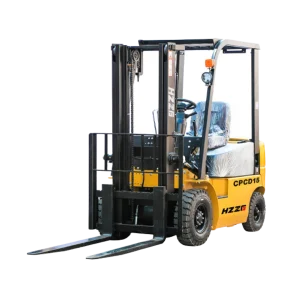
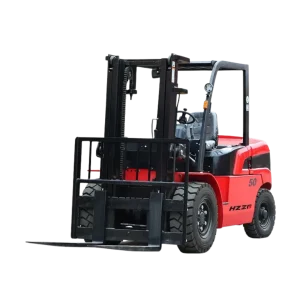
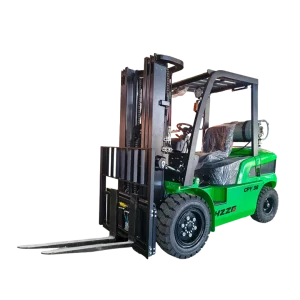
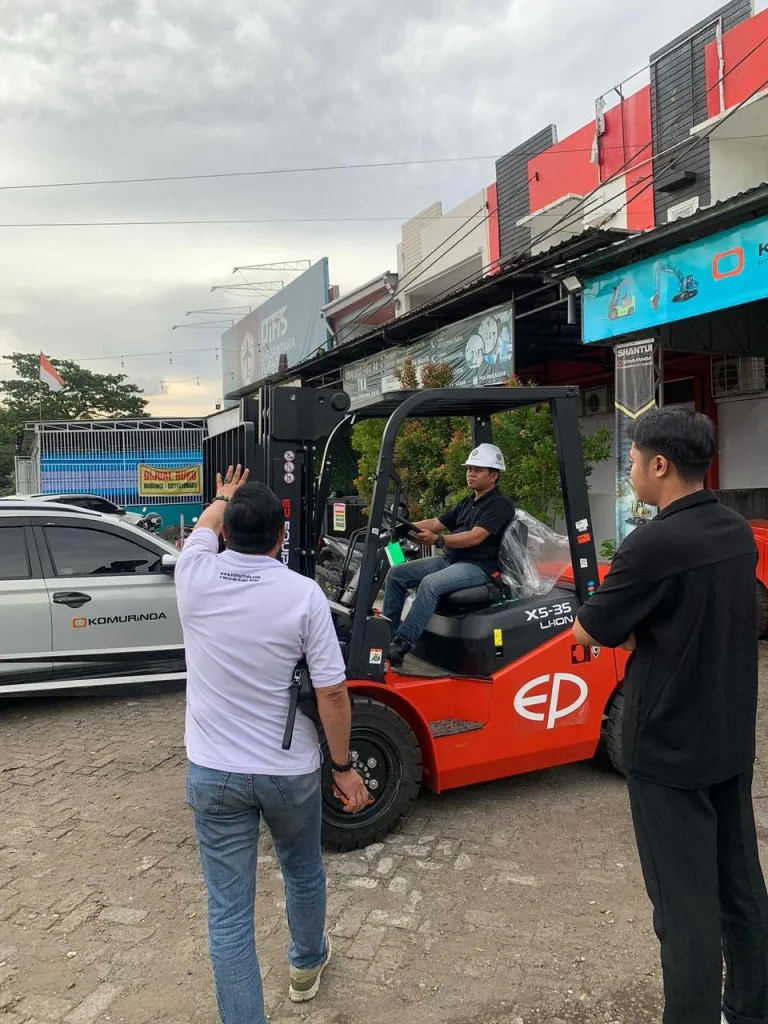
- Advanced forklifts can streamline warehouse operations
- Automated material handling equipment minimizes manual labor
When the right tools are used, projects can meet deadlines more consistently while maintaining high-quality standards.
2. Reducing Operational Costs
Choosing the wrong equipment often leads to increased operational costs. Machines that are too small may struggle to complete tasks efficiently, while oversized equipment can result in unnecessary fuel consumption and maintenance expenses.
Key cost factors include:
- Fuel efficiency
- Maintenance requirements
- Equipment lifespan
- Spare parts availability
Investing in the right equipment from the beginning helps businesses avoid unexpected expenses and maximize return on investment (ROI).
3. Improving Workplace Safety
Safety is a top priority in any industrial or construction environment. The use of unsuitable equipment increases the risk of accidents, injuries, and even project shutdowns.
Modern industrial equipment is designed with advanced safety features such as:
- Stability control systems
- Ergonomic operator cabins
- Automated braking systems
By choosing the right equipment, companies can create a safer working environment and comply with industry regulations.
Key Factors to Consider When Selecting Equipment
1. Project Requirements and Scope
Every project has unique requirements. Understanding the scope of work is essential before selecting any equipment.
Consider the following:
- Type of project (construction, mining, warehousing)
- Duration of the project
- Load capacity requirements
- Terrain and working conditions
Matching equipment specifications to project needs ensures optimal performance and efficiency.
2. Equipment Reliability and Quality
Reliable equipment is crucial for uninterrupted operations. Machines from trusted manufacturers are more likely to deliver consistent performance and require less frequent repairs.
High-quality equipment offers:
- Durability in harsh conditions
- Better performance output
- Lower long-term maintenance costs
Partnering with a reputable heavy equipment supplier ensures access to dependable machinery and professional support.
3. Availability of Maintenance and Spare Parts
Even the best equipment requires regular maintenance. Ensuring the availability of spare parts and technical support is vital for minimizing downtime.
A strong service network provides:
- Quick repair solutions
- Access to genuine spare parts
- Professional maintenance services
This is especially important for large-scale projects where delays can result in significant financial losses.
The Role of Material Handling Equipment in Operational Success
1. Streamlining Warehouse Operations
In logistics and warehousing, material handling equipment such as forklifts, pallet trucks, and stackers are essential for efficient operations.
These machines help:
- Speed up loading and unloading processes
- Optimize storage space
- Reduce manual labor
Efficient handling systems lead to improved workflow and increased productivity.
2. Supporting Supply Chain Efficiency
A well-integrated material handling system ensures smooth movement of goods throughout the supply chain. Delays in handling can disrupt the entire operation, affecting delivery timelines and customer satisfaction.
By using the right equipment, businesses can:
- Improve inventory management
- Reduce handling errors
- Enhance overall logistics performance
Consequences of Choosing the Wrong Equipment
Selecting inappropriate equipment can have serious consequences, including:
1. Project Delays
Inefficient machinery slows down operations, causing missed deadlines and penalties.
2. Increased Costs
Frequent breakdowns and inefficiencies lead to higher operational and maintenance costs.
3. Safety Risks
Incompatible equipment increases the likelihood of workplace accidents.
4. Reduced Productivity
Workers struggle to meet targets when equipment does not match operational needs.
These challenges highlight the importance of making informed equipment decisions from the start.
Why Partnering with the Right Equipment Provider Matters
Choosing the right equipment is only part of the equation. Working with a reliable equipment supplier ensures access to high-quality products and professional services.
A trusted provider offers:
- A wide range of equipment options
- Competitive pricing
- After-sales support and maintenance
- Expert consultation
Companies that partner with experienced suppliers benefit from tailored solutions that align with their specific project requirements.
Future Trends in Heavy Equipment and Industrial Solutions
The heavy equipment industry continues to evolve with advancements in technology. Modern machinery is becoming more efficient, sustainable, and intelligent.
Key trends include:
- Electric and eco-friendly equipment
- Automation and smart systems
- Telematics for real-time monitoring
- Energy-efficient machinery
Adopting these innovations helps businesses stay competitive and improve long-term operational efficiency.
Conclusion: Make the Right Choice for Long-Term Success
In conclusion, the importance of selecting the right heavy equipment and material handling solutions cannot be overstated. The success of any construction, mining, or industrial project depends heavily on the tools used to execute it.
From improving productivity and reducing costs to enhancing safety and ensuring timely project completion, the right equipment is a critical investment.
Businesses that prioritize careful equipment selection and partner with trusted providers position themselves for long-term success in an increasingly competitive industry.