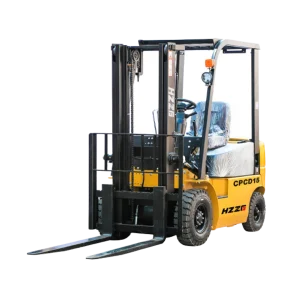
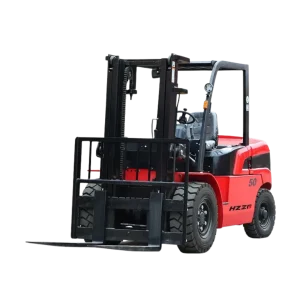
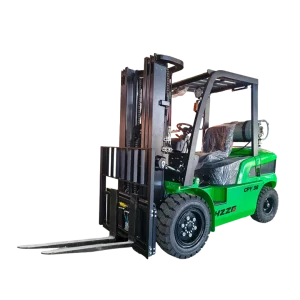
Maintaining heavy equipment in the mining industry is crucial for ensuring operational efficiency and safety. In such demanding environments, these machines are subjected to extreme conditions, including harsh weather, abrasive materials, and continuous heavy loads. Without regular maintenance, even the most robust equipment can suffer from unexpected breakdowns, leading to costly downtime and potentially hazardous situations. Proper maintenance not only extends the lifespan of the machinery but also optimizes performance, ensuring that mining operations run smoothly and without interruption.
Furthermore, the financial implications of neglecting equipment maintenance can be significant. Repairing or replacing damaged parts can be far more expensive than preventive maintenance, and unplanned outages can disrupt production schedules, leading to lost revenue. By prioritizing regular upkeep, mining companies can avoid these pitfalls, reduce operational costs, and ensure that their heavy equipment remains reliable and efficient in even the most challenging conditions.
Maintaining heavy equipment in a mining environment is a challenging task, especially when dealing with extreme conditions. Whether it’s harsh weather, abrasive materials, or heavy workloads, the wear and tear on machinery can be significant. However, with the right maintenance practices, you can extend the lifespan of your heavy equipment, ensuring it operates efficiently and safely. Here are some essential tips for maintaining heavy equipment in extreme mining environments.
- Regular Inspections
Routine inspections are the cornerstone of effective equipment maintenance. Conducting regular checks allows you to identify potential issues before they become serious problems. Inspect critical components such as hydraulic systems, engines, and electrical systems. Look for signs of wear, leaks, or any unusual noises that could indicate a problem. Regular inspections not only prevent costly repairs but also help to maintain the safety of the equipment.
- Keep Equipment Clean
Mining environments are notoriously dirty, with dust, mud, and debris constantly coming into contact with machinery. Keeping your equipment clean is crucial for preventing these materials from causing damage. Dirt and grime can clog filters, corrode metal parts, and lead to overheating. Regularly wash down your equipment, paying special attention to air filters, radiators, and other components prone to dirt buildup. Clean equipment not only runs more efficiently but also helps to maintain its value over time.
- Proper Lubrication
Lubrication is vital to the smooth operation of heavy equipment, especially in environments where friction and heat can cause significant wear. Regularly lubricate moving parts such as bearings, gears, and joints to minimize wear and tear. Use the correct type of lubricant recommended by the manufacturer, as using the wrong type can lead to further damage. In extreme mining environments, it’s essential to monitor lubricant levels and quality more frequently, as harsh conditions can degrade lubricants faster.
- Monitor Fluid Levels
Heavy equipment relies on various fluids, including oil, coolant, and hydraulic fluid, to operate efficiently. Regularly check fluid levels and top them up as needed. In extreme conditions, fluids can evaporate or become contaminated more quickly, so it’s important to be vigilant. Low fluid levels can lead to overheating, decreased performance, and even catastrophic equipment failure. Always use high-quality fluids recommended by the manufacturer to ensure optimal performance.
- Protect Equipment from the Elements
Extreme weather conditions, such as high temperatures, heavy rain, or freezing cold, can have a detrimental impact on heavy equipment. Whenever possible, protect your machinery from the elements by storing it in a sheltered location when not in use. If this is not feasible, invest in protective covers or tarps to shield the equipment from direct exposure to the weather. Additionally, consider using specialized coatings or treatments to protect metal parts from corrosion caused by moisture or chemicals commonly found in mining environments.
- Follow Manufacturer Guidelines
Every piece of heavy equipment comes with a set of maintenance guidelines provided by the manufacturer. These guidelines are based on extensive testing and are designed to ensure the longevity and optimal performance of the equipment. Follow these recommendations closely, including scheduled maintenance, part replacements, and operational guidelines. Deviating from these guidelines can lead to premature wear and costly repairs.
- Train Your Operators
Properly trained operators are essential to the longevity of heavy equipment. Ensure that all operators are trained in the correct use and maintenance of the machinery. This includes understanding load limits, operating procedures, and the importance of regular maintenance. Operators should also be trained to recognize signs of wear or malfunction, allowing them to report issues before they lead to serious damage. Regular refresher courses and training updates can help maintain a high level of operator competence.
- Implement a Preventive Maintenance Program
A preventive maintenance program is a proactive approach to equipment care, focusing on regular maintenance tasks rather than waiting for problems to arise. By scheduling regular maintenance checks and servicing, you can prevent minor issues from escalating into major repairs. This approach not only extends the lifespan of your equipment but also reduces downtime and improves safety on site.
- Use High-Quality Replacement Parts
When parts need to be replaced, always use high-quality, OEM (Original Equipment Manufacturer) parts. While cheaper, generic parts may seem like a cost-effective solution, they often do not meet the same standards as OEM parts and can lead to further damage or reduced equipment performance. Investing in quality parts ensures that your equipment continues to operate as intended and maintains its reliability in extreme conditions.
- Monitor Equipment Performance
Finally, continuously monitor the performance of your heavy equipment. Use data and analytics to track key performance indicators (KPIs) such as fuel efficiency, operating hours, and maintenance history. This information can help you identify trends and potential issues before they become critical, allowing for timely interventions.
Maintaining heavy equipment in extreme mining environments requires diligence, proper planning, and adherence to best practices. By implementing regular inspections, proper cleaning, lubrication, and following manufacturer guidelines, you can significantly extend the life of your machinery. Moreover, investing in operator training and a preventive maintenance program will ensure that your equipment remains in top condition, even under the harshest conditions. By taking these steps, you not only protect your investment but also ensure the safety and efficiency of your mining operations.