What is Forklift and How to Choose the Right One
Forklifts are essential pieces of equipment in many industries, including warehousing, manufacturing, construction, and logistics. They are designed to lift, carry, and transport heavy loads over short distances, making them invaluable for moving goods and materials efficiently. Whether you’re managing a large warehouse or a small manufacturing facility, understanding the different types of forklifts and how to choose the right one is crucial for optimizing your operations.
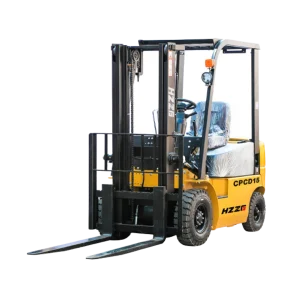
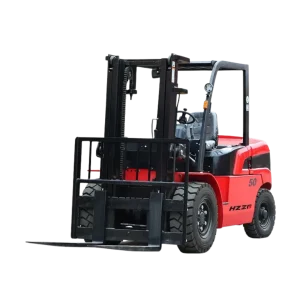
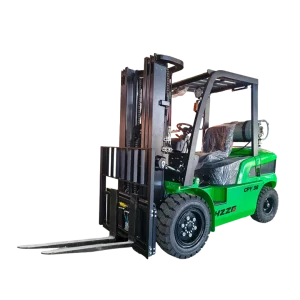
A forklift is a powered industrial truck used to lift and move materials. It is equipped with two forks (or prongs) at the front, which slide under a load to lift and carry it. Forklifts are typically powered by electric batteries or internal combustion engines, and they come in a range of sizes and capacities, from small models designed for light loads to large machines capable of lifting several tons. The versatility of forklifts makes them indispensable in settings where heavy lifting and precise material handling are required.
Types of Forklifts
There are several types of forklifts, each designed for specific tasks and environments. Here are some of the most common types :
- Counterbalance Forklift
Counterbalance forklifts are the most commonly used type. They have a straightforward design with forks at the front and a counterweight at the back to balance the load. These forklifts are ideal for a wide range of indoor and outdoor applications, including loading docks, warehouses, and manufacturing plants. They come in electric, diesel, or gas-powered variants, depending on the operating environment.
- Reach Truck
Reach trucks are specifically designed for use in narrow aisles and tight spaces. They feature an extended mast that allows the forks to reach deep into racking systems, making them ideal for high-density storage areas. Reach trucks are commonly used in warehouses where maximizing vertical space is essential.
- Pallet Jack
Pallet jacks, also known as pallet trucks, are smaller and simpler than traditional forklifts. They are designed to lift and move pallets over short distances. Manual pallet jacks require physical effort to operate, while electric pallet jacks are powered, making them easier to use for moving heavier loads. Pallet jacks are commonly used in retail stores, small warehouses, and delivery trucks.
- Telehandler
A telehandler, or telescopic handler, is a versatile forklift that combines the lifting capabilities of a forklift with the reach of a crane. It features an extendable boom that can reach high places, making it ideal for construction sites and agricultural applications. Telehandlers can be fitted with various attachments, such as buckets or lifting hooks, to perform different tasks.
- Order Picker
Order pickers are specialized forklifts designed for order fulfillment in warehouses. They allow operators to be lifted alongside the load, making it easy to pick items from high shelves. Order pickers are essential in facilities that deal with large volumes of individual orders, such as e-commerce fulfillment centers.
How to Choose the Right Forklift
Selecting the right forklift involves considering several factors to ensure it meets the specific needs of your operation. Here are some key considerations :
- Determine the Load Capacity
The load capacity of a forklift is the maximum weight it can safely lift and transport. It’s important to choose a forklift with a load capacity that matches or exceeds the weight of the materials you need to move. Overloading a forklift can lead to accidents and equipment damage, so always opt for a model that can handle your heaviest loads.
- Consider the Operating Environment
The environment in which the forklift will be used plays a significant role in determining the right model. For indoor use, especially in tight spaces, an electric counterbalance forklift or a reach truck may be ideal due to their maneuverability and low emissions. For outdoor or rough terrain applications, a diesel or gas-powered forklift with larger tires and greater ground clearance might be necessary.
- Assess the Lift Height
Different forklifts have varying lift heights, which is the maximum height the forks can reach. If your operation involves stacking goods on high shelves or racks, you’ll need a forklift with sufficient lift height to reach those levels. Reach trucks and order pickers are excellent choices for high-lift applications.
- Evaluate Fuel Type
Forklifts can be powered by electricity, diesel, gasoline, or propane. Electric forklifts are quiet and produce no emissions, making them ideal for indoor use. Diesel and gas-powered forklifts, on the other hand, offer more power and are better suited for outdoor or heavy-duty applications. Your choice of fuel type should align with the operational demands and environmental regulations of your workplace.
- Consider Ergonomics and Safety Features
Operator comfort and safety are critical when choosing a forklift. Look for models with ergonomic designs that reduce operator fatigue, such as adjustable seats and easy-to-use controls. Additionally, modern forklifts come equipped with various safety features, including backup alarms, seat belts, and stability control systems, which are essential for preventing accidents.
Understanding the different types of forklifts and the factors to consider when choosing one is key to optimizing your material handling operations. By carefully evaluating your specific needs—such as load capacity, operating environment, lift height, and fuel type—you can select a forklift that enhances efficiency, safety, and productivity in your workplace. Investing in the right forklift not only improves operational performance but also contributes to a safer and more effective working environment. . For all your forklift and other heavy equipment needs, PT. Komurinda Inti Mandiri is ready to provide the solution. For more information, contact us at: 0811-477-600.