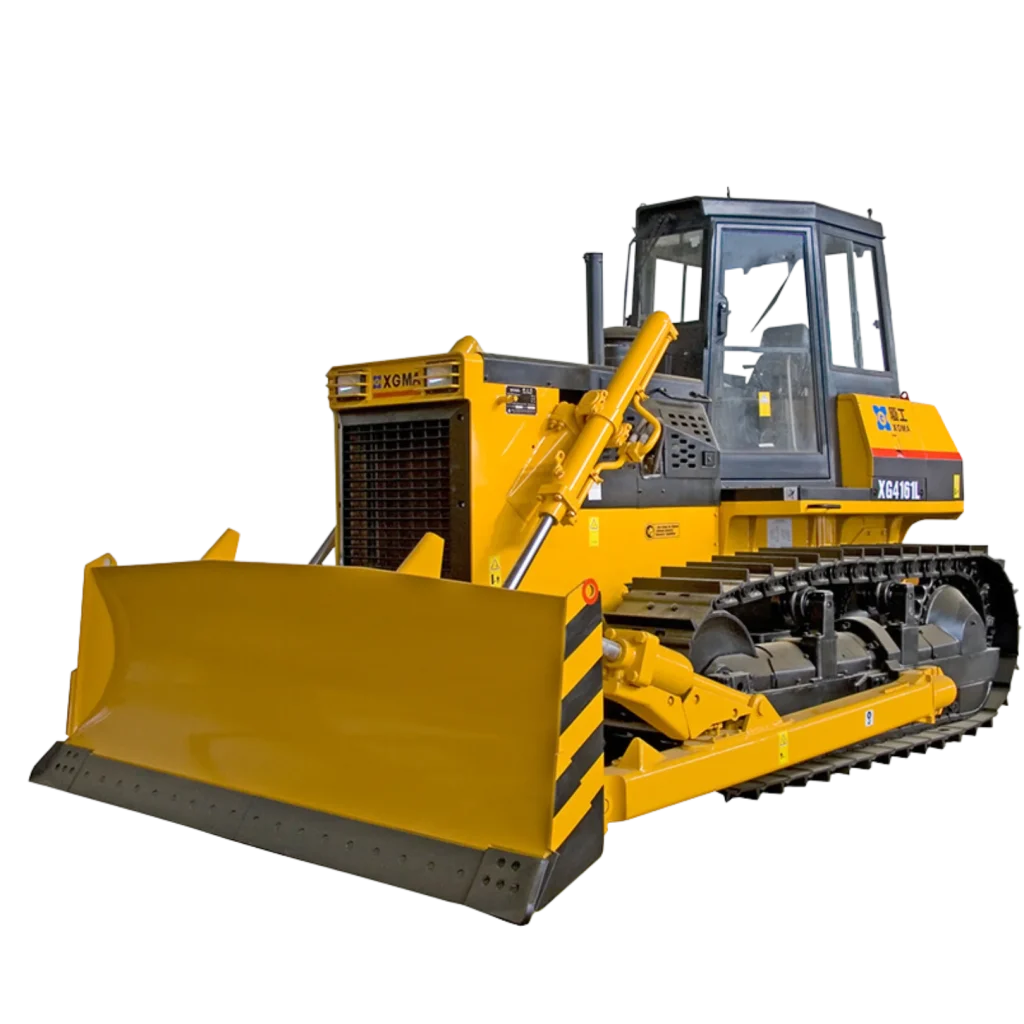
Yogyakarta is widely known as a cultural and educational center, but in recent years it has also experienced steady growth in logistics, manufacturing support services, retail distribution, and small-to-medium industrial operations. As these sectors expand, the need for efficient warehouse systems and streamlined operations becomes increasingly important. One of the most impactful ways businesses can improve productivity and safety is by adopting modern material handling equipment solutions tailored to their operational scale.
Companies operating in and around Yogyakarta are now investing in forklifts, conveyors, pallet systems, and automated handling technologies to reduce manual workload, minimize errors, and accelerate turnaround time. With the right strategy and equipment partner such as Komurinda, businesses can build more resilient and efficient supply chain operations.
The Growing Demand for Material Handling in Yogyakarta
Yogyakarta’s economic landscape has diversified beyond tourism. Today, the region supports:
- Distribution centers for retail and e-commerce
- Food and beverage production facilities
- Construction material warehouses
- Small manufacturing workshops
- Logistics hubs serving Central Java and surrounding areas
As order volumes increase and supply chains become more complex, manual handling methods alone are no longer sufficient. Inefficient workflows can lead to slower delivery times, higher labor costs, and increased risk of workplace accidents. Material handling equipment bridges this gap by enabling businesses to move, store, control, and protect goods more effectively.
What Is Material Handling Equipment?
Material handling equipment refers to tools and machinery used to transport, store, and manage goods throughout manufacturing, warehousing, distribution, and logistics processes. These solutions can range from simple manual tools to fully automated systems.
Common Types of Equipment
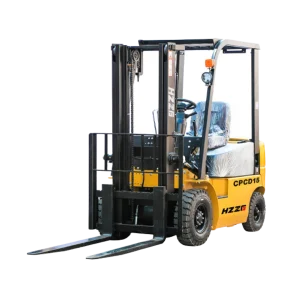
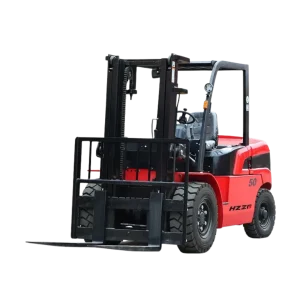
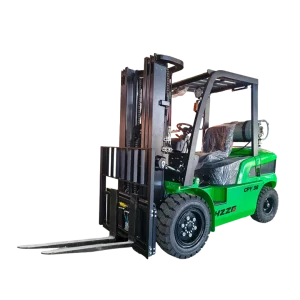
1. Forklifts and Lift Trucks
Essential for lifting and transporting palletized goods, forklifts improve speed and reduce physical strain on workers. They are widely used in warehouses, factories, and distribution centers.
2. Conveyor Systems
Conveyors help move products efficiently across different stages of operations, reducing manual transport and improving workflow consistency.
3. Pallet Racking Systems
Optimized storage systems maximize warehouse space utilization and improve inventory organization.
4. Hand Pallet Trucks and Stackers
Ideal for smaller facilities, these tools provide cost-effective solutions for short-distance material movement.
5. Automated Handling Solutions
For businesses with higher volumes, automation such as automated guided vehicles (AGVs) or smart warehouse systems can significantly improve operational efficiency.
Benefits of Implementing Material Handling Solutions
1. Improved Operational Efficiency
Modern equipment reduces the time needed to move goods, allowing faster processing and higher throughput. This is especially valuable for businesses handling high order volumes or time-sensitive deliveries.
2. Enhanced Workplace Safety
Manual lifting is one of the leading causes of workplace injuries. Equipment like forklifts and lifting devices minimizes physical strain and reduces accident risks.
3. Better Space Utilization
Structured storage systems such as pallet racking allow businesses to store more goods within the same footprint, lowering operational costs.
4. Reduced Labor Costs
By automating repetitive tasks, companies can allocate human resources to more strategic activities, improving overall productivity.
5. Higher Accuracy and Inventory Control
Integrated handling systems reduce product damage and help maintain better inventory tracking, which is crucial for supply chain reliability.
Key Industries in Yogyakarta That Benefit the Most
Warehousing and Logistics
Distribution centers handling retail, FMCG, and e-commerce products rely heavily on efficient material movement to meet delivery timelines.
Food and Beverage Production
Handling raw materials and finished goods safely and quickly is critical to maintaining product quality and compliance.
Construction Supply Companies
Heavy and bulky materials require specialized handling equipment to ensure safe storage and transportation.
Manufacturing Support Services
Workshops producing components or packaging materials benefit from streamlined internal logistics.
Choosing the Right Material Handling Solution
Selecting the right equipment requires careful evaluation of operational needs. Businesses should consider:
Operational Scale
Small warehouses may only need pallet jacks and stackers, while larger facilities might require forklifts and conveyors.
Type of Goods
Weight, size, and fragility of products determine the appropriate equipment type.
Warehouse Layout
Space availability, aisle width, and storage design influence equipment selection.
Safety and Compliance
Equipment must meet safety standards and include proper training for operators.
Future Scalability
Investing in scalable systems ensures that operations can grow without frequent equipment replacement.
The Importance of Working with a Reliable Equipment Partner
A trusted provider does more than supply machinery. They offer consultation, maintenance support, operator training, and tailored solutions based on operational challenges. This partnership approach ensures equipment performs optimally throughout its lifecycle.
Key qualities of a reliable provider include:
- Strong technical expertise
- Comprehensive after-sales support
- Availability of spare parts
- Understanding of local industry needs
- Ability to customize solutions
How Material Handling Supports Sustainable Operations
Sustainability is becoming a major priority for businesses across Indonesia. Efficient material handling contributes to sustainability goals by:
- Reducing energy consumption through optimized workflows
- Minimizing product damage and waste
- Lowering fuel usage with efficient equipment
- Supporting digital inventory systems that reduce paper usage
As companies in Yogyakarta adopt greener practices, modern handling equipment plays an important role in achieving environmental targets while maintaining profitability.
Future Trends in Material Handling in Yogyakarta
Automation and Smart Warehouses
Digital tracking, IoT sensors, and warehouse management systems are gradually being adopted to improve visibility and decision-making.
Electric and Low-Emission Equipment
Electric forklifts and energy-efficient machines are gaining popularity as businesses aim to reduce carbon footprints.
Integrated Supply Chain Solutions
Companies are moving toward end-to-end logistics optimization, combining equipment, software, and process improvements.
Growth of E-Commerce Logistics
Increasing online shopping activity is driving demand for faster, more efficient warehousing operations in the region.
As Yogyakarta continues to develop its industrial and logistics capabilities, investing in the right material handling equipment is no longer optional—it is a strategic necessity. Businesses that adopt modern solutions can achieve faster operations, improved safety, and better cost efficiency, positioning themselves for long-term growth in an increasingly competitive market.
Whether for warehousing, manufacturing support, or distribution, the right combination of equipment, planning, and professional support enables companies to streamline operations and deliver higher value to their customers. By implementing tailored material handling solutions, businesses in Yogyakarta can build more agile, scalable, and future-ready operations.