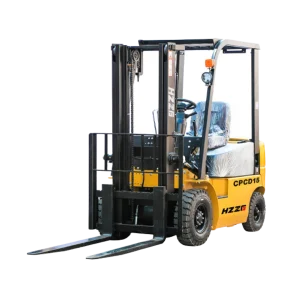
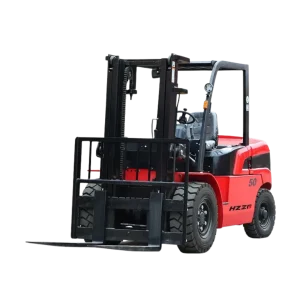
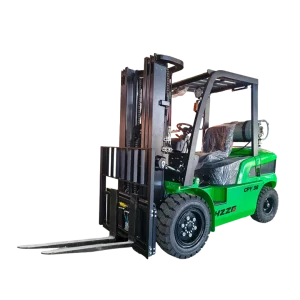
Choosing the right heavy equipment is a critical decision for businesses operating in logistics, industrial, warehousing, and construction-related environments. Business owners, operations managers, and project supervisors must ensure that the equipment they use aligns with operational needs, workload capacity, and safety requirements. The right equipment supports smooth daily operations, minimizes delays, and helps businesses achieve their productivity targets.
Various types of heavy equipment are available to support different business operations, including forklifts, pallet trucks, electric stackers, reach trucks, tow tractors, and other material handling machines. Each piece of equipment is designed for specific functions such as lifting, transporting, stacking, or organizing goods. Selecting equipment that matches the nature of materials, working environment, and operational scale is essential to maintaining efficiency and avoiding unnecessary operational risks.
Heavy equipment is used across a wide range of business environments, including warehouses, distribution centers, manufacturing plants, logistics hubs, and industrial facilities. The operating space, floor conditions, load weight, and aisle width all influence which type of equipment is most suitable. For example, compact equipment is ideal for narrow warehouse aisles, while higher-capacity machines are better suited for heavy-duty industrial operations.
The decision to use or acquire heavy equipment often arises during business expansion, peak operational periods, or the launch of new projects. In many cases, rental solutions provide flexibility by allowing businesses to access the equipment they need without long-term financial commitments. This approach is especially beneficial for companies with fluctuating workloads or short-term operational requirements.
The importance of choosing the right heavy equipment lies in its impact on productivity, cost control, and workplace safety. Proper equipment selection helps reduce manual handling, lowers the risk of accidents, and improves workflow efficiency. It also prevents overinvestment in machinery that may not be fully utilized, enabling businesses to allocate resources more strategically.
The process of selecting heavy equipment typically involves assessing operational requirements, evaluating load capacity and usage frequency, and ensuring compatibility with existing workflows. By carefully analyzing these factors and choosing reliable equipment, businesses can maintain efficient operations, reduce downtime, and support long-term operational success.
Make smarter decisions for your business operations.
Choose the right heavy equipment solution to improve efficiency, enhance safety, and support sustainable business growth.