Introduction: Why Equipment Selection Determines Project Speed
In today’s competitive industrial and construction environment, speed is a critical factor in project success. Companies are constantly seeking ways to complete projects faster without compromising quality or safety. While planning and workforce management are essential, one often overlooked factor is the selection of the right heavy equipment.
Choosing appropriate industrial equipment and material handling solutions can significantly accelerate project timelines. The right machinery not only improves efficiency but also reduces delays, minimizes costs, and enhances overall productivity. In contrast, poor equipment choices can slow down operations and create unnecessary complications.
The Impact of Equipment on Project Efficiency
1. Faster Task Completion with the Right Machinery
The use of suitable equipment directly affects how quickly tasks can be completed. Modern construction equipment and industrial machinery are designed to handle complex operations with speed and precision.
Examples include:
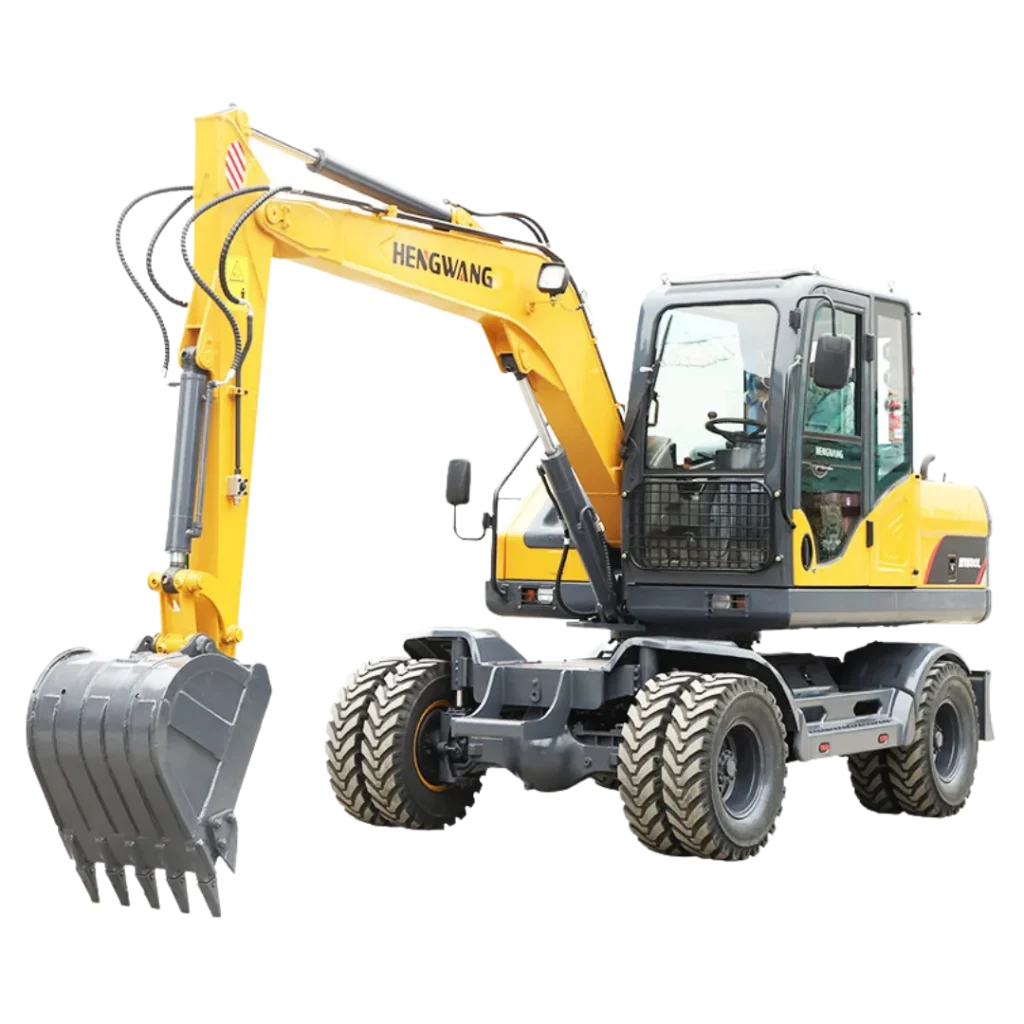
- Excavators that complete digging tasks in a fraction of the time
- Bulldozers that efficiently clear large areas
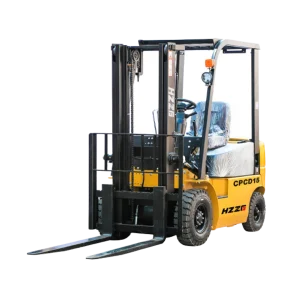
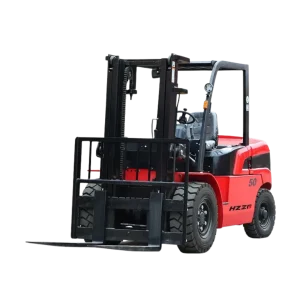
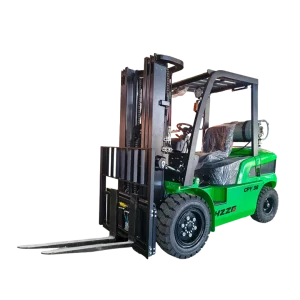
- Forklifts that streamline material movement in warehouses
By using the right tools, companies can significantly reduce project duration and improve workflow efficiency.
2. Reducing Downtime and Delays
Downtime is one of the main causes of project delays. Equipment that is unreliable or unsuitable for the job can lead to frequent breakdowns and interruptions.
Key advantages of choosing the right equipment:
- Improved reliability and durability
- Reduced maintenance frequency
- Continuous operation with minimal interruptions
Minimizing downtime ensures that projects stay on schedule and within budget.
3. Enhancing Workforce Productivity
The right heavy equipment solutions enable workers to perform tasks more efficiently. Instead of relying on manual labor, employees can leverage machinery to complete work faster and with greater accuracy.
Benefits include:
- Increased output per worker
- Reduced physical strain
- Improved job satisfaction
A productive workforce is essential for meeting tight deadlines and achieving project goals.
Key Factors in Choosing the Right Equipment
1. Understanding Project Requirements
Every project has unique requirements, and selecting equipment without proper analysis can lead to inefficiencies.
Important considerations:
- Type of project (construction, mining, warehousing)
- Scale and duration of the project
- Load capacity and operational demands
- Site conditions and terrain
Matching equipment specifications to project needs ensures optimal performance.
2. Equipment Quality and Reliability
High-quality equipment delivers consistent performance and reduces the risk of unexpected failures. Investing in reliable machinery is essential for maintaining project timelines.
Advantages of quality equipment:
- Longer lifespan
- Better performance
- Lower maintenance costs
Working with a trusted equipment supplier ensures access to durable and dependable machinery.
3. Availability of Maintenance and Spare Parts
Even the best equipment requires maintenance. Ensuring access to spare parts and technical support is crucial for minimizing downtime.
Key factors:
- Availability of genuine spare parts
- Access to skilled technicians
- Preventive maintenance programs
A strong support system keeps equipment running efficiently throughout the project.
The Role of Material Handling Equipment in Speed Optimization
1. Streamlining Logistics and Workflow
Efficient material handling is essential for maintaining project momentum. Material handling equipment such as forklifts, pallet trucks, and conveyors help move materials quickly and safely.
Benefits:
- Faster loading and unloading
- Improved site organization
- Reduced delays in material supply
Efficient logistics play a critical role in speeding up project execution.
2. Reducing Bottlenecks in Operations
Bottlenecks occur when materials or processes are delayed, slowing down the entire project. The right equipment helps eliminate these inefficiencies.
Examples:
- Forklifts that prevent delays in warehouse operations
- Cranes that facilitate quick material lifting
- Automated systems that improve workflow continuity
Eliminating bottlenecks ensures smooth and uninterrupted operations.
Common Mistakes That Slow Down Projects
1. Choosing Equipment Based on Price Alone
Focusing only on cost can lead to poor equipment choices. Cheaper machines may lack efficiency and reliability, resulting in higher long-term expenses.
2. Using Outdated Machinery
Old equipment often operates slower and requires frequent repairs, leading to delays and increased costs.
3. Ignoring Operator Training
Even the best equipment cannot deliver optimal performance without skilled operators. Proper training is essential for maximizing efficiency.
The Importance of Partnering with a Reliable Equipment Supplier
A professional heavy equipment provider plays a vital role in helping businesses choose the right machinery.
Key benefits of working with a trusted supplier:
- Expert advice and consultation
- Access to a wide range of equipment
- Reliable after-sales support
- Competitive pricing
A strong partnership ensures that businesses have the tools and support needed to complete projects efficiently.
Technological Advancements in Modern Equipment
1. Smart and Automated Systems
Modern equipment is equipped with advanced technologies that improve efficiency and reduce human error.
Features include:
- GPS tracking and telematics
- Automated controls
- Real-time performance monitoring
These technologies enable better decision-making and faster project execution.
2. Energy-Efficient Machinery
Energy-efficient equipment reduces operational costs and supports sustainability goals.
Benefits:
- Lower fuel consumption
- Reduced environmental impact
- Improved cost efficiency
Sustainable solutions are becoming increasingly important in modern industrial projects.
Future Trends in Equipment Selection
The future of industrial operations is driven by innovation. Companies are adopting new technologies to improve efficiency and stay competitive.
Emerging trends:
- Automation and robotics
- Electric and hybrid equipment
- Predictive maintenance
- Data-driven decision-making
Businesses that embrace these trends can achieve faster and more efficient project outcomes.
Conclusion: The Key to Faster and More Efficient Projects
Choosing the right heavy equipment is the secret to completing projects faster and more efficiently. From improving productivity and reducing downtime to enhancing safety and optimizing workflows, the right machinery plays a critical role in project success.
By carefully evaluating project needs, investing in high-quality equipment, and partnering with reliable suppliers, businesses can achieve their goals and maintain a competitive edge in the industry.