Introduction: The Growing Demand for Efficiency in Industrial Projects
In today’s fast-evolving industrial landscape, productivity has become a key factor in determining the success of any project. Industries such as construction, mining, manufacturing, and logistics are under constant pressure to deliver results faster while maintaining high standards of quality and safety.
One of the most effective ways to achieve this is through the use of advanced machinery. Modern industrial equipment and heavy machinery solutions are designed to optimize workflows, reduce manual effort, and improve overall operational efficiency. As a result, businesses that adopt advanced equipment gain a significant competitive advantage.
The Role of Advanced Machinery in Industrial Productivity
1. Increasing Operational Speed and Efficiency
Advanced machinery significantly accelerates project timelines. Equipment such as excavators, loaders, and automated systems are built to perform tasks faster and more accurately than traditional methods.
Key benefits include:
- Faster completion of repetitive tasks
- Reduced reliance on manual labor
- Consistent performance across operations
By improving operational speed, companies can complete projects on time or even ahead of schedule.
2. Enhancing Precision and Quality
Modern industrial machinery is equipped with advanced control systems that ensure high levels of accuracy. This precision reduces errors and minimizes material waste.
Examples:
- Precision excavation reduces rework
- Automated cutting systems improve manufacturing accuracy
- Smart forklifts enhance warehouse handling
Improved quality not only boosts productivity but also enhances customer satisfaction.
3. Reducing Downtime and Equipment Failure
Downtime is one of the biggest challenges in industrial projects. Advanced machinery is designed with reliability and durability in mind, reducing the likelihood of unexpected breakdowns.
Features that minimize downtime:
- Predictive maintenance systems
- Real-time performance monitoring
- High-quality components
With less downtime, businesses can maintain continuous operations and maximize output.
Key Types of Advanced Machinery in Industrial Projects
1. Heavy Equipment for Construction and Mining
Heavy equipment plays a crucial role in large-scale industrial projects. Machines such as excavators, bulldozers, and cranes are essential for handling demanding tasks.
Applications include:
- Earthmoving and excavation
- Material transportation
- Site preparation
These machines improve efficiency by handling large workloads with ease.
2. Material Handling Equipment for Logistics
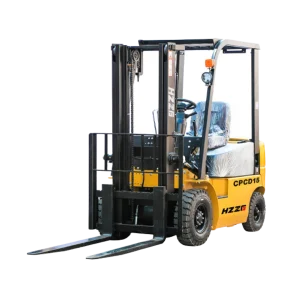
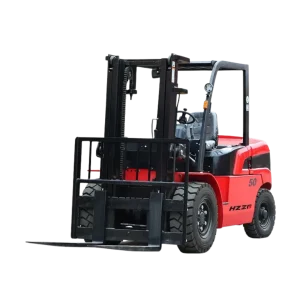
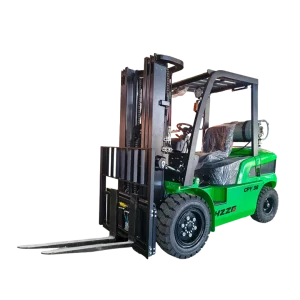
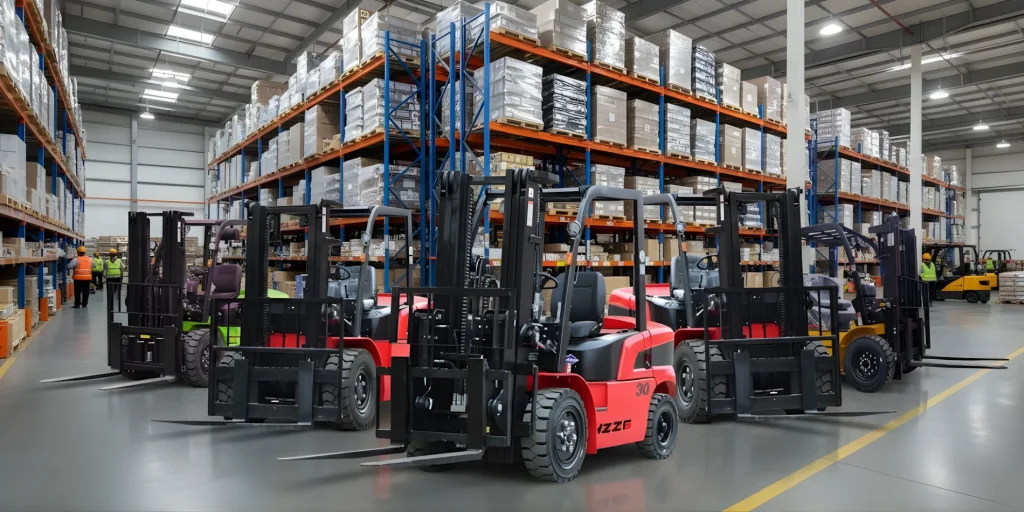
Efficient material movement is essential for maintaining productivity in warehouses and industrial facilities. Material handling equipment such as forklifts, pallet trucks, and stackers streamline operations.
Benefits:
- Faster loading and unloading
- Improved inventory management
- Reduced labor costs
These tools ensure smooth workflow across supply chains.
3. Automated and Smart Machinery
Automation is transforming industrial operations. Smart machinery equipped with sensors and digital systems enables real-time monitoring and control.
Examples:
- Automated guided vehicles (AGVs)
- Smart conveyor systems
- Remote-controlled equipment
Automation reduces human error and increases efficiency across operations.
Technological Innovations Driving Productivity
1. Telematics and Data Integration
Telematics systems allow businesses to track equipment performance in real time. This data-driven approach helps improve decision-making and operational efficiency.
Key advantages:
- Monitoring fuel consumption
- Tracking machine usage
- Identifying maintenance needs
Data integration ensures that equipment operates at optimal performance levels.
2. Energy-Efficient Machinery
Modern industrial equipment is designed to consume less energy while delivering higher output. Energy-efficient machinery reduces operational costs and supports sustainability goals.
Benefits include:
- Lower fuel and energy expenses
- Reduced environmental impact
- Compliance with regulations
3. Ergonomic and Operator-Friendly Design
Advanced machinery is designed with operator comfort in mind. Ergonomic features improve productivity by reducing fatigue and increasing efficiency.
Features include:
- Comfortable cabins
- Intuitive controls
- Enhanced visibility
A better working environment leads to higher performance and fewer errors.
Factors to Consider When Adopting Advanced Machinery
1. Understanding Project Requirements
Before investing in machinery, businesses must evaluate their specific needs.
Consider:
- Project size and complexity
- Industry requirements
- Operational environment
Choosing the right equipment ensures maximum productivity.
2. Equipment Reliability and Quality
High-quality machinery delivers consistent performance and reduces maintenance issues. Investing in reliable equipment ensures long-term productivity gains.
3. Availability of Maintenance and Support
Access to maintenance services and spare parts is essential for keeping machinery operational. A strong support system minimizes downtime and ensures smooth operations.
Challenges of Operating Without Advanced Machinery
1. Lower Productivity Levels
Outdated equipment slows down operations and reduces overall efficiency.
2. Higher Operational Costs
Frequent repairs and inefficiencies lead to increased expenses.
3. Increased Safety Risks
Older machinery often lacks modern safety features, increasing the risk of accidents.
The Role of Equipment Suppliers in Productivity Improvement
A reliable heavy equipment supplier plays a vital role in helping businesses achieve higher productivity. Professional suppliers provide not only equipment but also comprehensive support services.
Key offerings include:
- Expert consultation
- Equipment selection guidance
- Maintenance and repair services
- Spare parts availability
Partnering with a trusted provider ensures that businesses have access to the right tools and support.
Future Trends in Advanced Industrial Machinery
The industrial sector continues to evolve with new technological advancements. These innovations are shaping the future of productivity.
Emerging trends:
- Automation and robotics
- Artificial intelligence integration
- Electric and hybrid machinery
- Predictive maintenance technologies
Companies that adopt these trends will gain a competitive edge in the market.
Conclusion: Driving Productivity Through Innovation
Advanced machinery has become a cornerstone of productivity in industrial projects. By improving efficiency, reducing downtime, and enhancing safety, modern industrial equipment enables businesses to achieve better results in less time.
Investing in the right heavy machinery solutions and partnering with reliable suppliers ensures long-term success in an increasingly competitive environment. As technology continues to evolve, businesses must embrace innovation to stay ahead and maximize their operational potential.