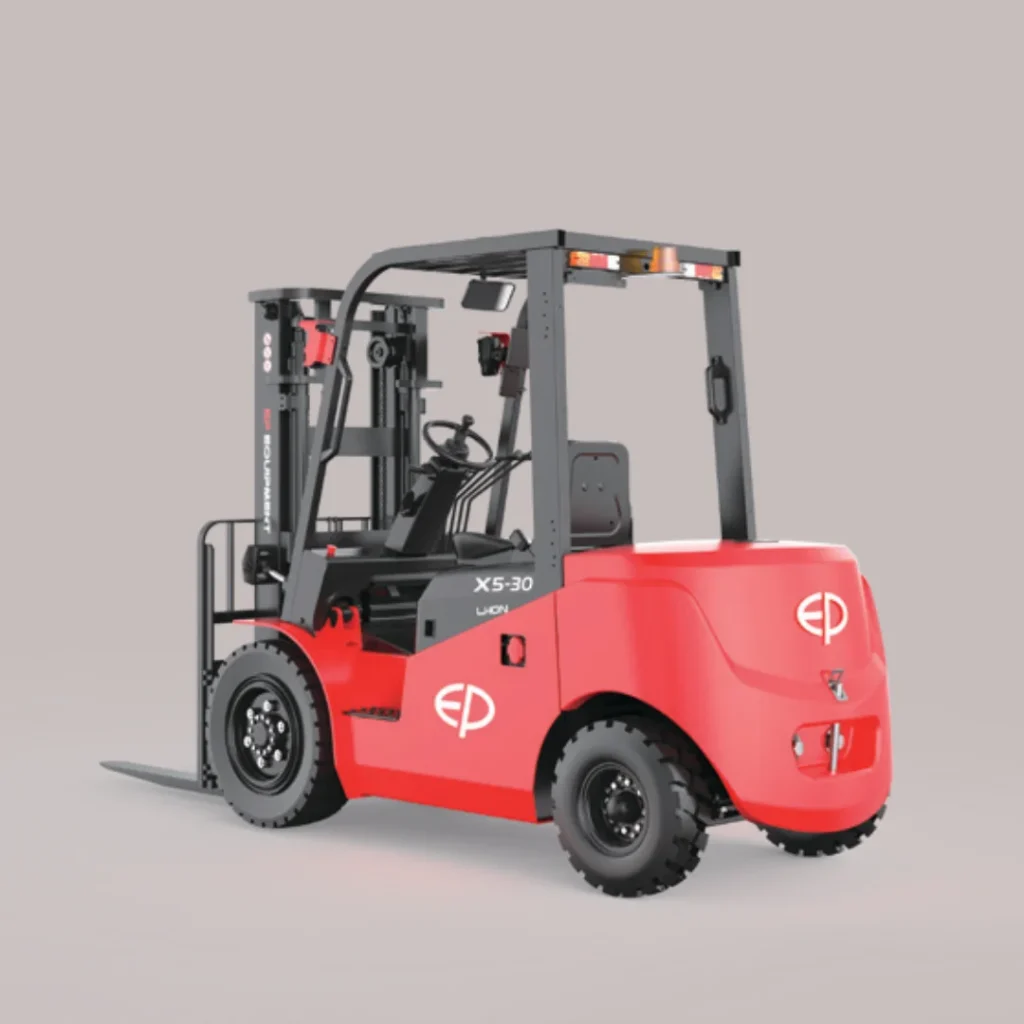
Material Handling Equipment applications play a vital role in supporting daily operations across logistics, industry, and warehousing sectors. These machines are widely used by logistics providers, manufacturers, warehouse operators, and industrial businesses to ensure smooth material movement and operational efficiency. The use of proper equipment allows companies to handle goods safely while maintaining productivity and meeting operational targets.
Types of Material Handling Equipment Used
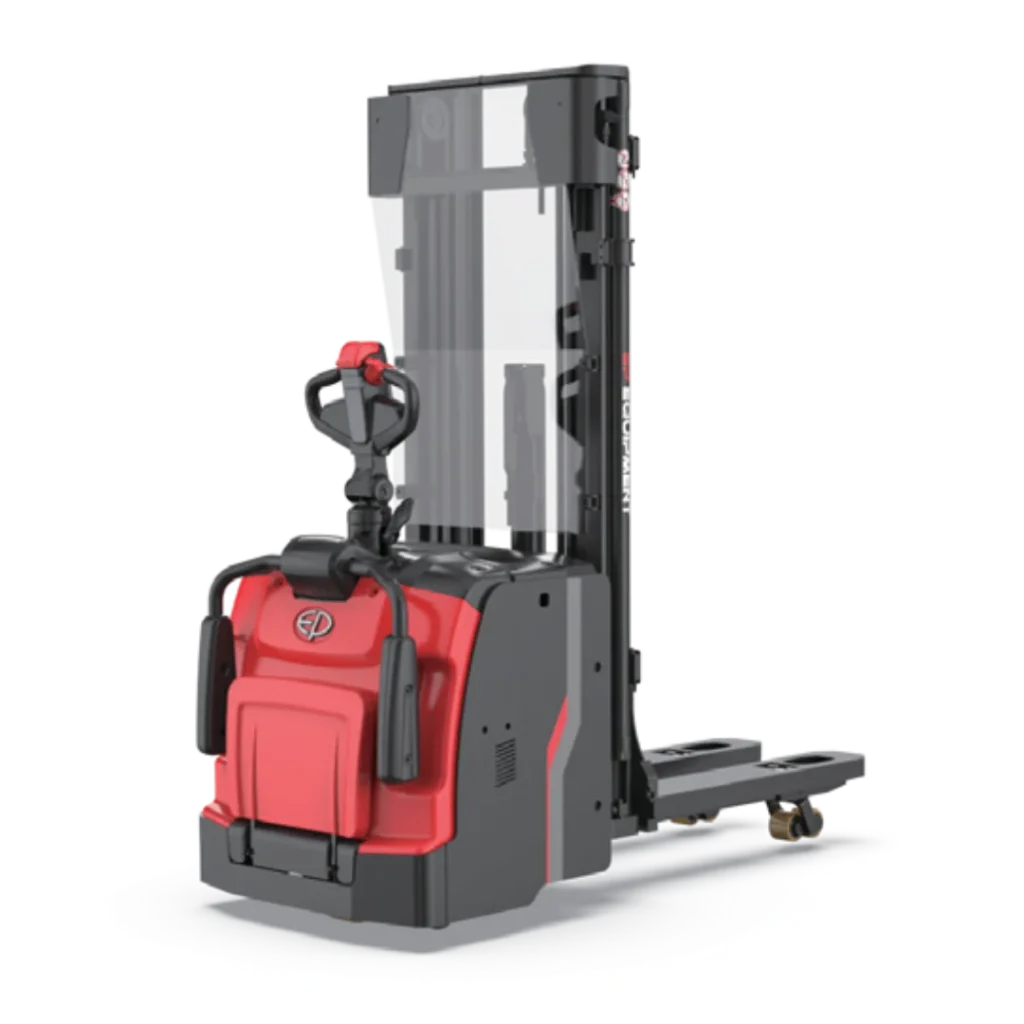
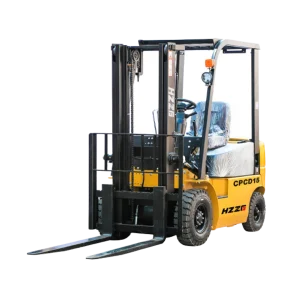
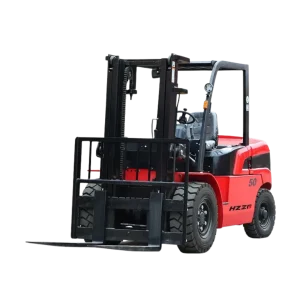
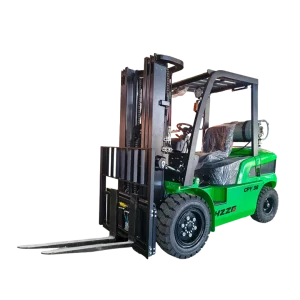
Various types of Material Handling Equipment are applied in these sectors, including forklifts, electric pallet trucks, electric stackers, reach trucks, very narrow aisle (VNA) trucks, order pickers, tow tractors, and diesel-powered material handling vehicles. Each type of equipment is designed to perform specific tasks such as lifting heavy loads, stacking goods at different heights, transporting materials across facilities, and supporting inventory management processes in both indoor and outdoor environments.
Applications in Warehousing, Logistics, and Industrial Operations
These Material Handling Equipment applications can be found in warehouses, distribution centers, logistics hubs, manufacturing plants, and industrial project sites. In warehousing operations, equipment such as forklifts and reach trucks helps maximize storage space and improve picking accuracy. In logistics and industrial environments, Material Handling Equipment supports loading and unloading activities, internal material transfers, and production workflows, contributing to faster turnaround times and more efficient supply chains.
Benefits of Material Handling Equipment Rental
Material Handling Equipment rental is especially beneficial during short-term projects, seasonal demand increases, or peak operational periods. Renting allows businesses to access the required machinery without large capital investment, offering flexibility to adjust equipment usage based on current needs. This approach helps companies maintain operational continuity while controlling costs and avoiding long-term ownership commitments.
Productivity, Safety, and Operational Efficiency
The importance of Material Handling Equipment applications lies in their ability to increase productivity, enhance workplace safety, and reduce reliance on manual labor. Using appropriate material handling equipment minimizes the risk of workplace injuries, improves operational accuracy, and ensures consistent performance. Additionally, rental solutions often include equipment that is well-maintained and ready for use, helping businesses reduce downtime and maintenance concerns.
Simple and Flexible Rental Process
The rental process is designed to be simple and efficient. Businesses can identify the most suitable equipment for their operations, arrange delivery to the required location, and use the machinery for the duration of their project or operational needs. With flexible rental terms and responsive support, companies can focus on core activities while ensuring reliable material handling across logistics, industrial, and warehousing operations.