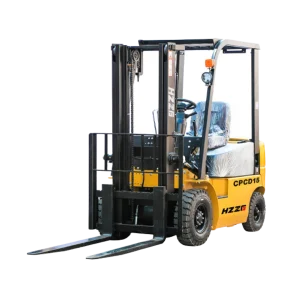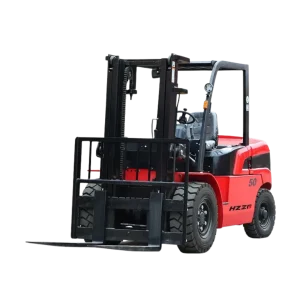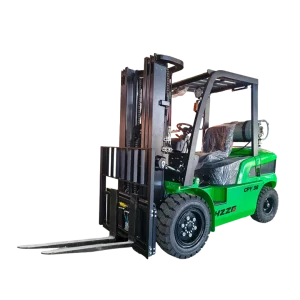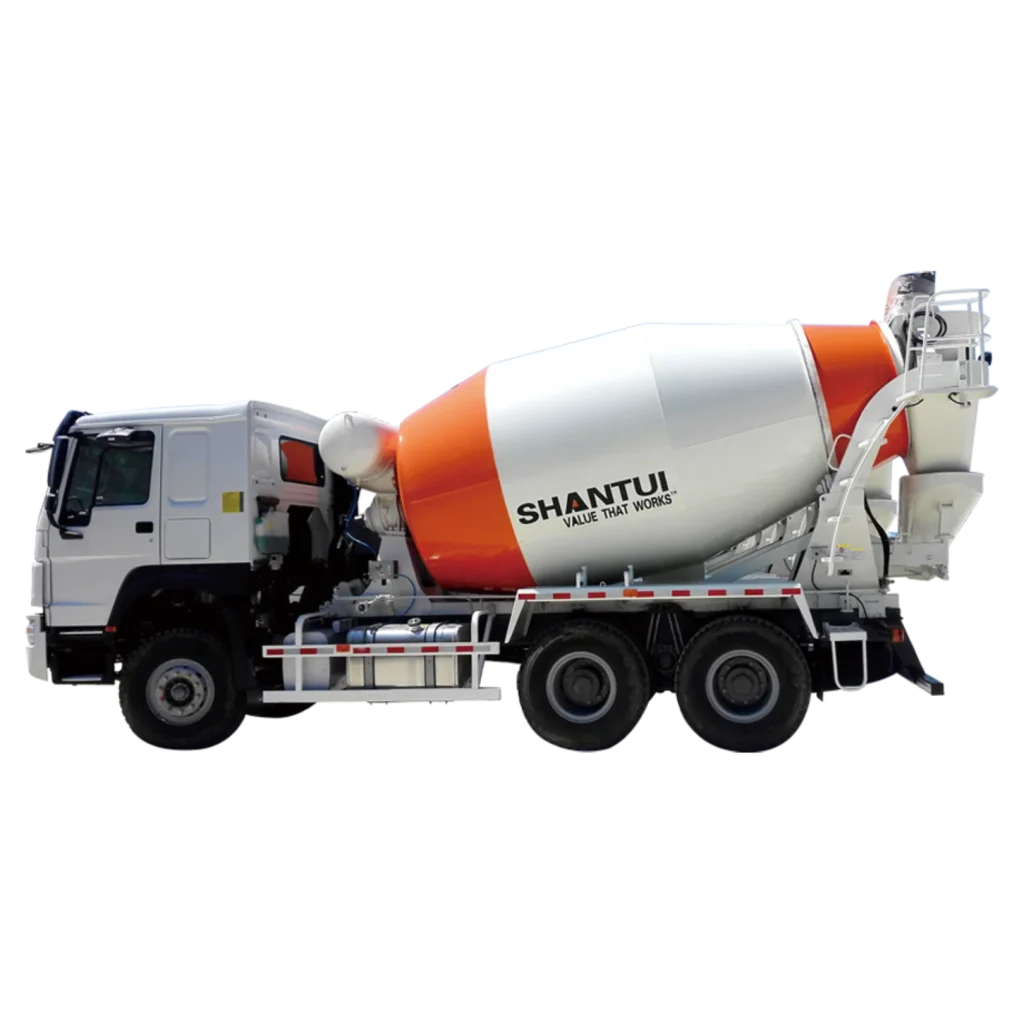
Heavy equipment is a significant investment for any construction, mining, or industrial operation. Ensuring that these machines remain in optimal condition and last for years requires diligent maintenance practices. Proper care not only extends the life of the equipment but also improves efficiency, reduces downtime, and minimizes costly repairs.
Regular maintenance of heavy equipment is crucial for ensuring the longevity and efficiency of these valuable machines. Heavy machinery, such as excavators, bulldozers, and cranes, operates under demanding conditions, which can lead to significant wear and tear over time. Without proper maintenance, these machines are more likely to suffer from breakdowns, leading to costly repairs and extended downtime. Regular inspections, timely lubrication, and adherence to the manufacturer’s maintenance schedule help prevent minor issues from escalating into major problems, ensuring that the equipment remains in optimal working condition.
Moreover, well-maintained equipment not only reduces the likelihood of unexpected failures but also enhances overall safety on the job site. Malfunctioning machinery can pose serious risks to operators and other workers, potentially leading to accidents and injuries. By investing in regular maintenance, companies can minimize these risks and ensure that their heavy equipment operates safely and reliably. This not only protects the workforce but also maximizes productivity, as machines that are well-cared for are less likely to experience disruptions in operation. Here’s a comprehensive guide on how to maintain heavy equipment to keep it running smoothly and reliably.
- Regular Inspections
One of the most important aspects of heavy equipment maintenance is conducting regular inspections. These inspections should be thorough and consistent, checking for any signs of wear, damage, or potential issues. Key components to inspect include hydraulic systems, engine parts, tires or tracks, and electrical systems. Regular inspections help identify problems early, allowing for timely repairs before they escalate into more serious and expensive issues.
- Follow the Manufacturer’s Maintenance Schedule
Every piece of heavy equipment comes with a manufacturer-recommended maintenance schedule. This schedule outlines when specific maintenance tasks, such as oil changes, filter replacements, and component checks, should be performed. Adhering to this schedule is crucial for keeping the equipment in optimal condition. Skipping or delaying these maintenance tasks can lead to decreased performance and increased risk of breakdowns.
- Keep Equipment Clean
Dirt, debris, and grime can cause significant damage to heavy equipment over time. Mud can clog essential components, while dust and dirt can wear down moving parts. Regularly cleaning the equipment, especially after it has been used in harsh conditions, is essential. Pay special attention to radiators, filters, and other areas where debris can accumulate. Cleaning also allows for easier inspections, as any damage or wear becomes more visible when the equipment is clean.
- Proper Lubrication
Lubrication is vital for reducing friction between moving parts, preventing wear, and ensuring smooth operation. It’s important to use the correct type and amount of lubricant as specified by the manufacturer. Regularly check lubricant levels and look for signs of contamination, such as dirt or metal particles. Over-lubrication can be just as harmful as under-lubrication, so following the manufacturer’s guidelines is essential for maintaining optimal performance.
- Monitor Fluid Levels
Heavy equipment relies on various fluids, including engine oil, hydraulic fluid, coolant, and transmission fluid, to function properly. Regularly checking and maintaining proper fluid levels is critical. Low or contaminated fluids can cause significant damage to the engine and other components, leading to costly repairs and downtime. Additionally, replacing fluids at recommended intervals helps prevent contamination and ensures the equipment continues to operate efficiently.
- Proper Storage
How heavy equipment is stored when not in use can also impact its longevity. Ideally, equipment should be stored in a dry, sheltered area to protect it from the elements. Prolonged exposure to harsh weather conditions, such as rain, snow, or extreme temperatures, can lead to rust, corrosion, and other damage. If indoor storage isn’t available, using protective covers and placing equipment on blocks to keep it off the ground can help mitigate these risks.
- Train Operators on Best Practices
Proper operation of heavy equipment is just as important as regular maintenance. Ensuring that operators are well-trained on the correct usage and handling of the equipment can prevent unnecessary wear and tear. Operators should be familiar with the equipment’s capabilities and limitations, as well as the correct procedures for starting, operating, and shutting down the machinery. Regular training sessions can keep operators up to date with the best practices and any new operational guidelines.
Maintaining heavy equipment is essential for ensuring its optimal performance and extending its lifespan. By conducting regular inspections, following the manufacturer’s maintenance schedule, keeping the equipment clean, and properly storing it, you can prevent costly repairs and downtime. Additionally, proper lubrication, fluid monitoring, and operator training play critical roles in keeping the equipment in top condition. Investing in maintenance today can save significant costs and ensure the longevity and reliability of your heavy machinery for years to come. For all your heavy equipment needs, whether for mining or your business, PT. Komurinda Inti Mandiri is ready to provide the solution. For more information, contact us at : 0811-477-600.